Resources 10 October 2025
Why Women’s Financial Inclusion Matters for Nigeria’s Future
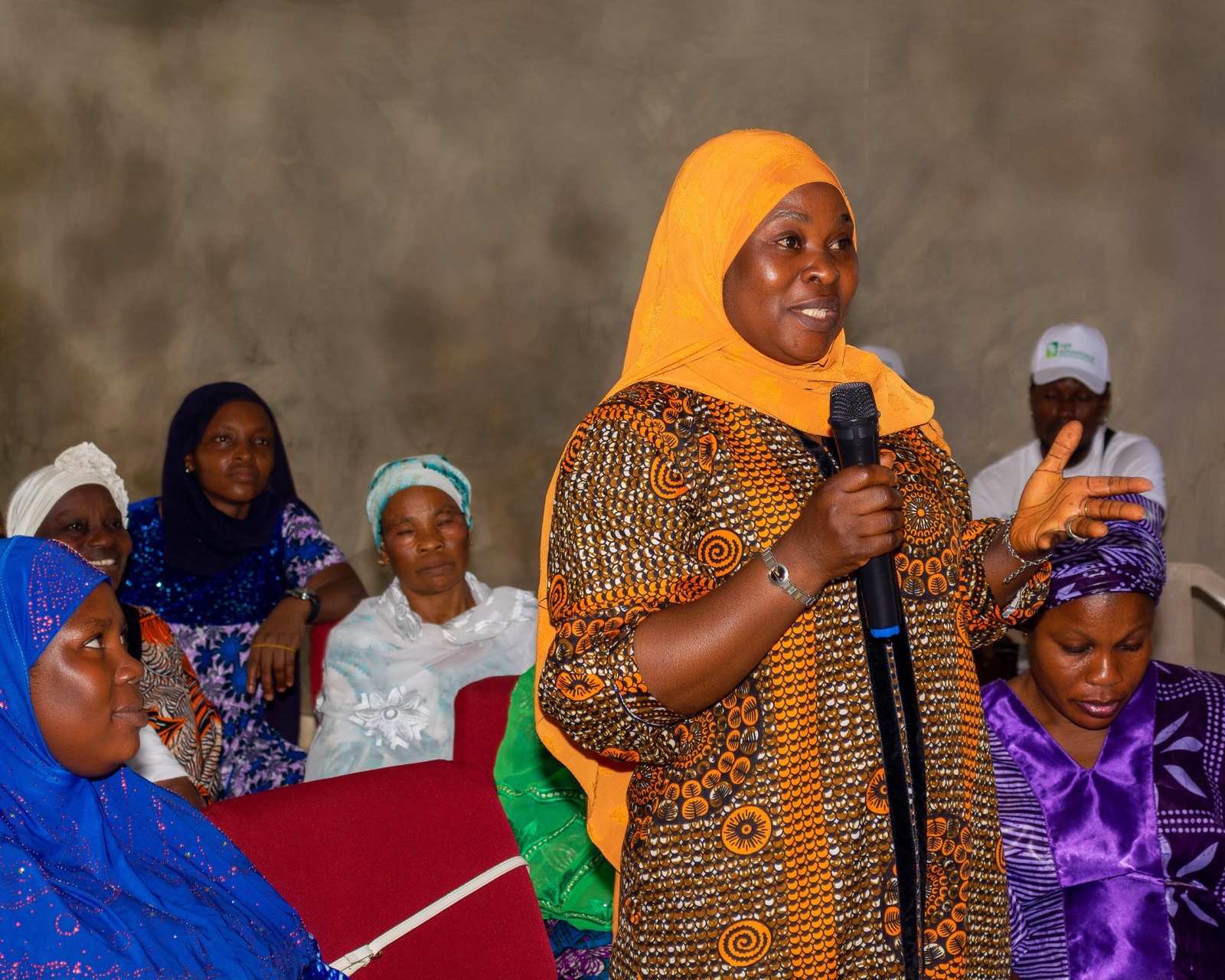
In Nigeria, women make up nearly half of the population — brilliant, hardworking, and resourceful individuals who drive families, businesses, and communities forward. Yet, millions of these women remain outside the formal financial system. According to the Enhancing Financial Innovation and Access (EFInA) 2023 report, the gender gap in financial inclusion persists, with far fewer women having access to bank accounts, credit, insurance, or investment opportunities compared to men.
This gap is more than a social issue; it is an economic one. When women are excluded from financial systems, Nigeria’s economy loses a vital engine of growth. But when women are empowered financially, entire communities rise.
1. Financial Inclusion Strengthens Families and Communities
A financially included woman can save securely, access credit to grow her business, and invest in her children’s education and health. Studies consistently show that when women earn and control their finances, they reinvest up to 90% of their income back into their families and communities.
By helping more women access financial tools, we are not just improving individual lives; we are creating stronger, more resilient households across Nigeria.
2. It Boosts Entrepreneurship and Job Creation
Women are the backbone of Nigeria’s informal economy. From small-scale traders to fashion designers, food processors, and tech entrepreneurs, Nigerian women run millions of micro and small businesses.
Yet, many lack the financial support to scale. Access to credit, savings, and insurance can help women formalize their enterprises, create jobs, and contribute meaningfully to GDP growth. A report by McKinsey estimates that closing the gender gap in economic participation could add $229 billion to Africa’s GDP by 2025, and Nigeria would be one of the biggest beneficiaries.
3. Financial Inclusion Drives National Stability and Growth
When women are economically active and financially empowered, economies become more stable and inclusive. It leads to greater economic participation, reduced poverty rates, and improved social welfare.
Moreover, countries with high levels of women’s financial inclusion often report better governance, lower inequality, and more sustainable development. For Nigeria, this means a future where growth is not just rapid but broad-based and equitable.
4. Technology Is Making Inclusion Possible
Fintech innovation is changing the story. From mobile money platforms to digital savings apps and e-learning platforms that teach financial literacy, technology is breaking barriers for Nigerian women, especially those in rural areas.
Initiatives like digital banking for market women, online micro-lending, and women-focused savings groups are proving that financial inclusion does not always start with a bank; it starts with access and trust.
5. The Road Ahead: Collaboration Is Key
To truly close the gender gap, the government, financial institutions, fintechs, NGOs, and the private sector must work together. Policies must promote women-friendly products, flexible credit terms, and digital literacy programs.
Equally important, we must shift mindsets, seeing women not as dependents but as economic partners and leaders whose financial empowerment shapes the nation’s prosperity.
Conclusion: A Future Built on Inclusion
Nigeria’s economic transformation will depend not just on oil, technology, or infrastructure but on its people, especially its women.
When we ensure women have equal access to finance, we unlock a multiplier effect that drives innovation, reduces poverty, and builds a more inclusive, sustainable future.
Women’s financial inclusion is not a charity cause; it is smart economics and one of the surest ways to secure Nigeria’s future.